Since 2026 · Creator
Quizmark
A Chrome extension that pauses long YouTube videos at natural breaks, asks a few questions about what you just watched, and shows the moment each answer came from.
Quiz 1 of 4
Introduction → Data model, as pseudocode
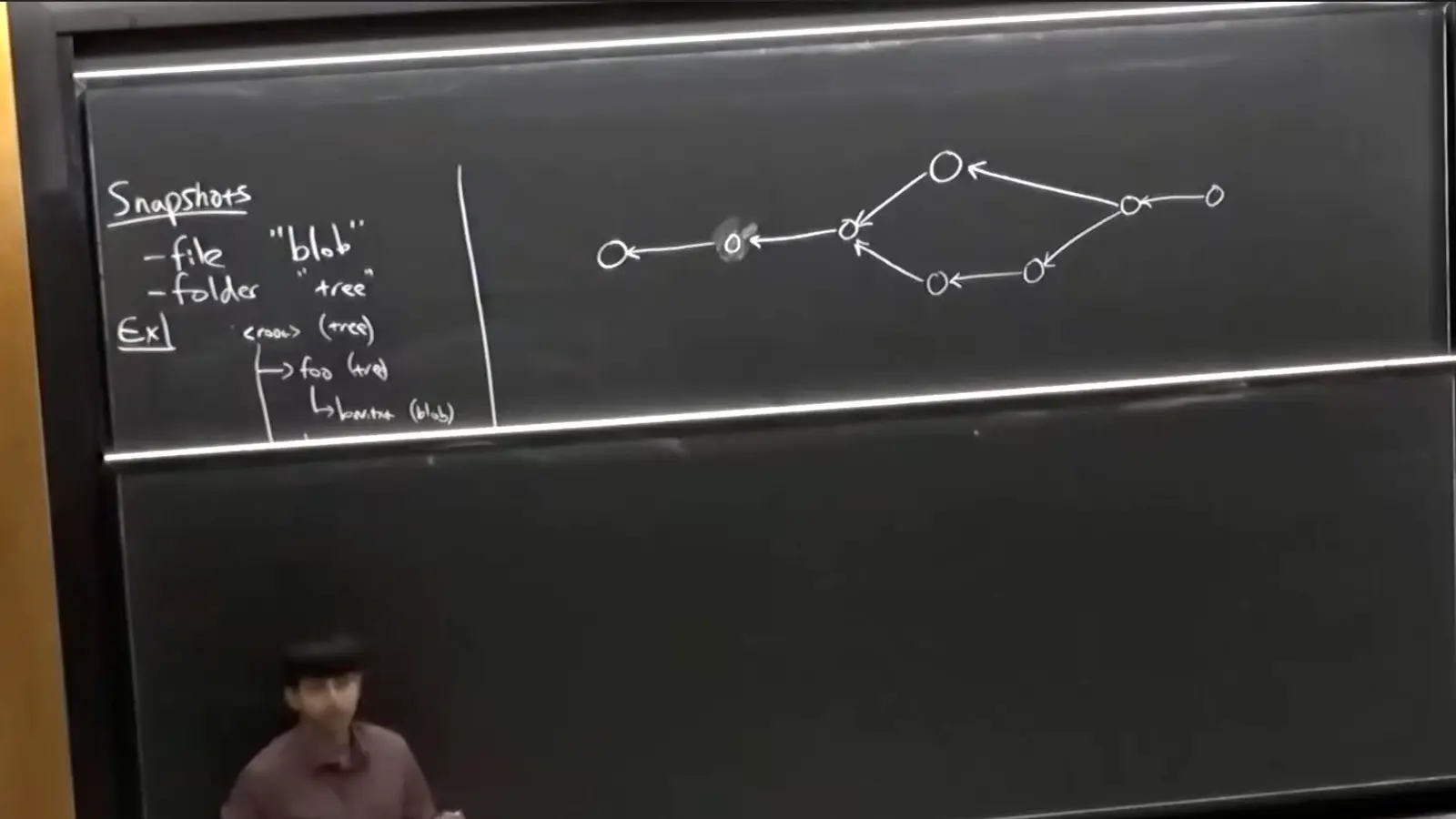
How Git represents snapshots of code as trees and blobs, and how commits form a history graph.
- Questions
- 3
- Difficulty
- Medium
- Covers
- 0:00–15:28
The player above is the interactive demo from Quizmark’s website, with real questions it generated for MIT’s lecture on Git. Quizmark needs no account, and I run no server for it. It works with your own key for one of seven AI providers, or with a model running on your computer. Firefox and Safari versions are in progress.
Why a browser extension
YouTube doesn’t allow a web app to draw over its embedded player, and a quiz card would do exactly that. An extension runs in the viewer’s own browser instead. The viewer stays signed in, ads still play, and the creator’s watch time is unaffected. YouTube also blocks servers that fetch captions, but the extension reads them from the player with the viewer’s own session.
Every question cites its evidence
Quizmark splits a video into sections of about 15 minutes, and each section ends with a quiz. Each question carries the span of the video that answers it. That span drives the checks below, the Watch button, and the seek when a question appears. Quizmark clamps or widens a span that’s slightly off to fit its section. A span that misses the section entirely is a made-up citation, and Quizmark rejects the question.
Five checks before you see a question
Generating questions is cheap, so Quizmark spends its effort on rejecting bad ones. Every question goes through five checks. Each check runs in a fresh context, and none of them sees the intended answer.
| Check | Rejects the question when |
|---|---|
| Span sanity | the cited span is empty, too short or out of range |
| Answerable from the span | the span doesn’t settle the question |
| Answer is offered | the real answer isn’t among the options |
| Blind answerability | the wrong options are weak enough to rule out unseen |
| Single correct option | more than one option can be defended |
Asked which of four options is correct, a model picks the least-bad one. It won’t say that the right answer is missing. So the “answer is offered” check first works out the answer from the span with no options in view, then asks whether any option says the same thing.
The check that emptied the quiz
Blind answerability used to reject any question an expert model could answer without the video. On the reference lecture, about Git, it rejected 13 of 14 questions. One of them was “what kind of graph is Git’s history?”, exactly what a quiz should ask a learner. An expert model is a poor stand-in for someone who is watching because they don’t know the subject yet.
Now the check labels questions instead of rejecting them. It marks each question as a general concept or specific to the lecture, and it rejects only distractors that are too easy to rule out. The span check now runs first, so a question the span doesn’t support fails there, before the blind check sees it. On the same 15-minute section of the video, the accept rate went from 0% to 56%, and the span check rejected none of the questions.
JSON from local models
Small local models often return malformed JSON, even when the prompt asks for JSON only. Quizmark tries native structured output first, where the server supports it. Then it strips code fences and matches braces, and as a last step it sends the validation error back to the model in a repair turn. Each test case is a response a local model produced.
Staying ahead of the viewer
A quiz only has to be ready when the viewer reaches the end of its section, so each section’s questions can take as long as the section takes to watch. With a local Qwen3 14B model, generating a section’s questions took 0.18 to 0.61 times as long as watching it, on the reference lecture.
Tests
The extension has about 1,600 tests in 94 Vitest files and 11 Playwright suites. They check, for example, that quiz history and saved progress survive a browser restart, that results download as a real Word file, and that a stale tab’s answers don’t merge into a newer attempt. One test fails if the extension depends on the server it replaced.
Before the extension did everything
The first version generated questions on a Python and FastAPI server. It returned a cached section right away, or started generating in the background while the extension polled until the section was ready. I moved the whole pipeline into the extension and retired the server.